
When medicine is complex and giving up would be easier
Let’s Adopt International takes responsibility for animals whose injuries, diseases, age or trauma demand urgent intervention and weeks, months or a lifetime of care. The emergency is only the beginning of a documented clinical journey.
A precise definition
What makes an animal rescue case extreme?
Extreme Rescue is not a dramatic label. It describes a rescue in which medical complexity, time pressure, uncertainty and long-term responsibility converge. Saving the animal from immediate danger is the first decision, not the end of the commitment.
Immediate risk
The animal may be in severe pain, unable to breathe, eat, walk or remain stable without urgent intervention.
Advanced medicine
Diagnosis or treatment may require specialist imaging, complex surgery, intensive care, oncology, neurology or prolonged hospitalisation.
Extended recovery
Wound care, medication, rehabilitation, nutrition and behavioural recovery may continue for weeks or months.
A permanent promise
When adoption is not realistic, care continues for life at the Great House. We do not disappear when the emergency ends.
One animal. Five accountable stages
A rescue is only credible when the public can follow what happened after the first image: the diagnosis, decisions, treatment, recovery and final outcome.
Rescue and transfer
We secure the animal, assess immediate danger and arrange safe transport to appropriate veterinary care.
Triage and diagnosis
Pain control, stabilisation, bloodwork, imaging and specialist assessment establish what is happening and what cannot wait.
Treatment
Surgery, hospital care, medication, wound management, oncology or other treatment follows the clinical evidence.
Recovery and rehabilitation
Nutrition, physiotherapy, behavioural recovery and daily monitoring continue for as long as the animal needs them.
Outcome and protection
Adoption, permanent care or end-of-life truth is documented so the animal’s story does not vanish when the campaign ends.
Extreme Rescue takes different forms
These animals show why there is no single treatment plan and why responsibility must continue beyond the first emergency.
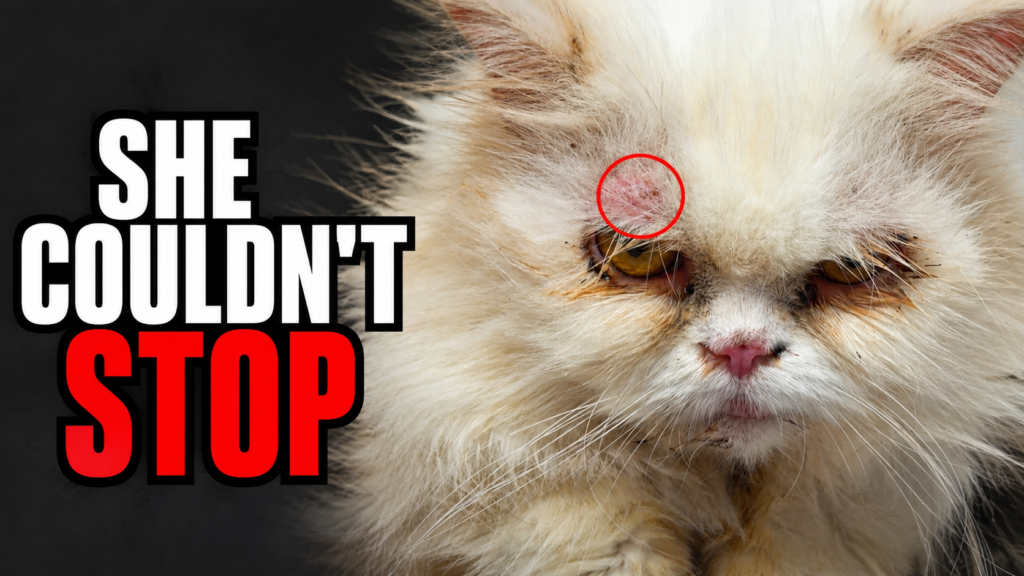
Argelia
She survived a house shared by more than 200 cats. Her eyes, breathing and painful mouth required treatment, observation and time to recover safely.
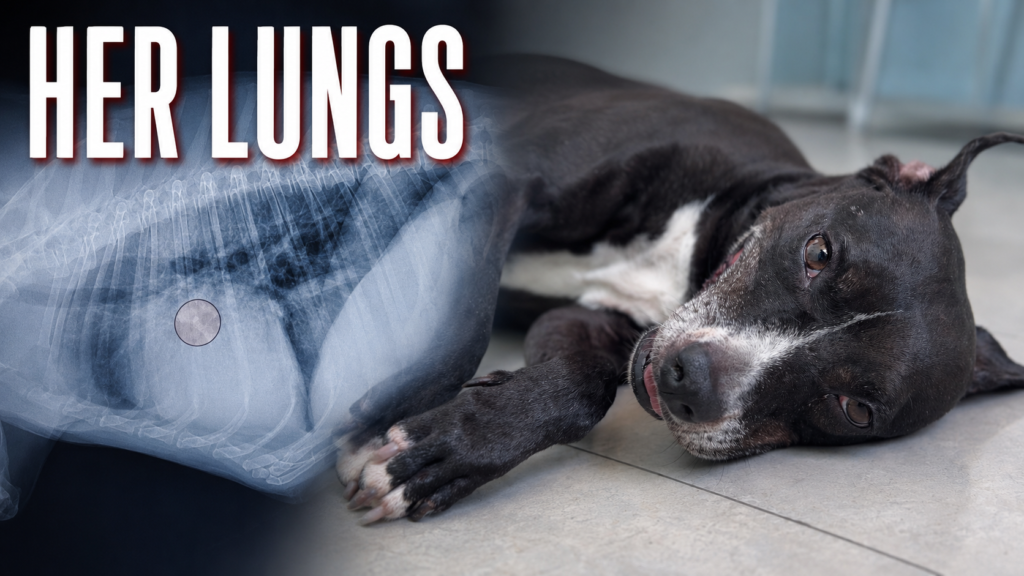
India
India lives with megaoesophagus. Every meal must be given upright and every change in breathing can become a hospital emergency.
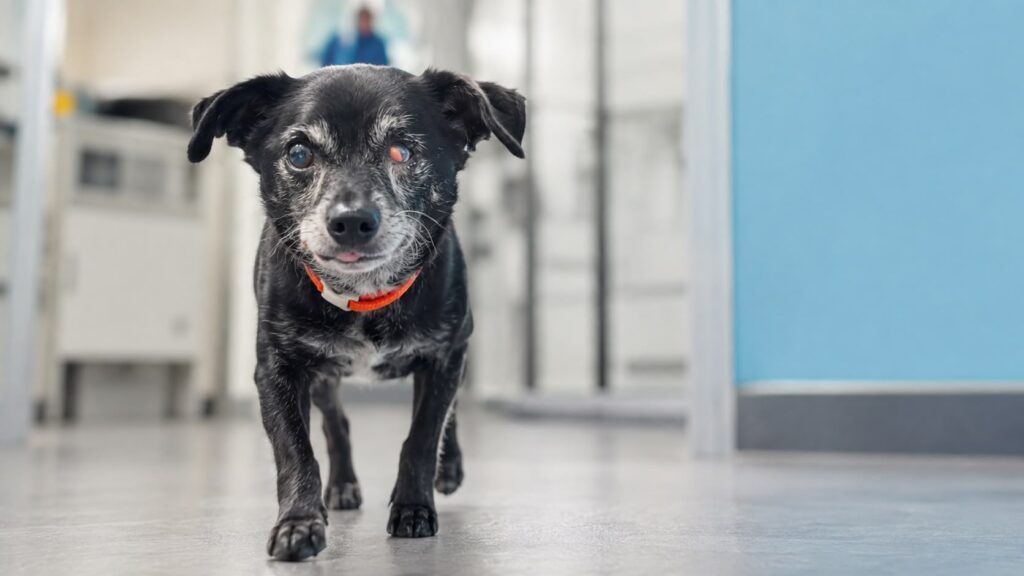
Sebastian
Elderly and blind, he suffered an unstable spinal fracture. Specialist surgery and protected recovery gave him the chance to walk again.
Recovery can take months. Protection can last a lifetime
Some animals recover and join a carefully chosen family. Others remain fragile, disabled, elderly or dependent on daily medication. The Great House gives those animals routine, clinical follow-up, safety and a permanent home.
Questions about Extreme Rescue
Does every difficult case qualify as Extreme Rescue?
No. The term is used when urgent risk, medical complexity, uncertainty and substantial follow-up combine. The facts of the case must justify it.
Does the work end after surgery?
No. Hospital discharge may be followed by wound care, medication, rehabilitation, special feeding, behavioural recovery and repeated checks.
Are all rescued animals adopted?
No. Adoption is pursued when it is safe and appropriate. Animals who cannot realistically be adopted receive permanent protection.
How can the public verify what happened?
We connect case updates, the Animal Atlas, clinical context and outcome reporting so each major rescue can become a permanent record.
Judge the work by the evidence
Read the cases, follow the outcomes and see how rescue becomes treatment, recovery and permanent protection.