
Raw
Feeding
Why we feed raw meat and meaty bones, and how that choice fits into daily life at Let’s Adopt.
Why we feed this way ↓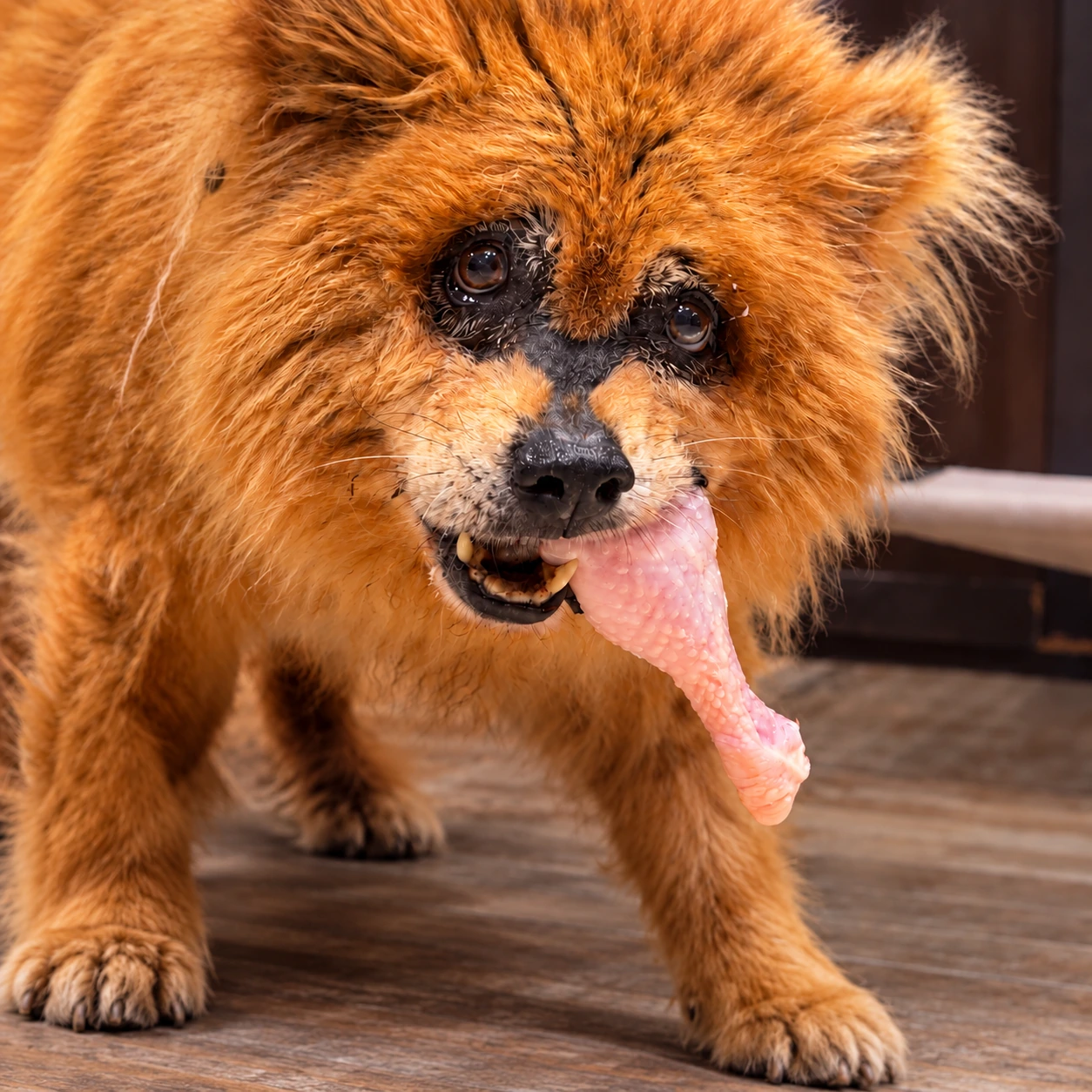
01 / OUR APPROACH
Why we
feed this way
For 18 years, raw food has been part of the daily care we provide to our rescued animals at Let’s Adopt.
We choose meat, organs and raw meaty bones because we value identifiable ingredients, control over what we offer, and meals that involve holding, tearing and chewing. Tom Lonsdale’s work has helped shape that approach.
We prepare our diet with the aim of meeting our animals’ nutritional needs through food. We do not use supplements. The responsibility is to consider the complete diet, its quantities and each animal’s needs.
For our young, elderly and medically vulnerable rescues, feeding belongs within a wider plan of treatment, rehabilitation and lifelong care. We observe each animal’s appetite, comfort, digestion and body condition as its needs change.
The care behind the food
02 / THE THINKING BEHIND IT
The work of
Tom Lonsdale
A veterinary argument for looking at the whole act of feeding, including what happens in the mouth.
From clinical practice to public advocacy
Tom Lonsdale graduated from the Royal Veterinary College, University of London, in 1972. After working in Britain and Kenya, he moved to Australia in 1980. His public campaign on diet and oral disease developed in the early 1990s.
His books and websites connect three concerns: the physical form of food, oral health, and the relationship between veterinary medicine and the pet food industry. His argument reaches beyond replacing one set of ingredients with another.
Feeding, not only nutrients
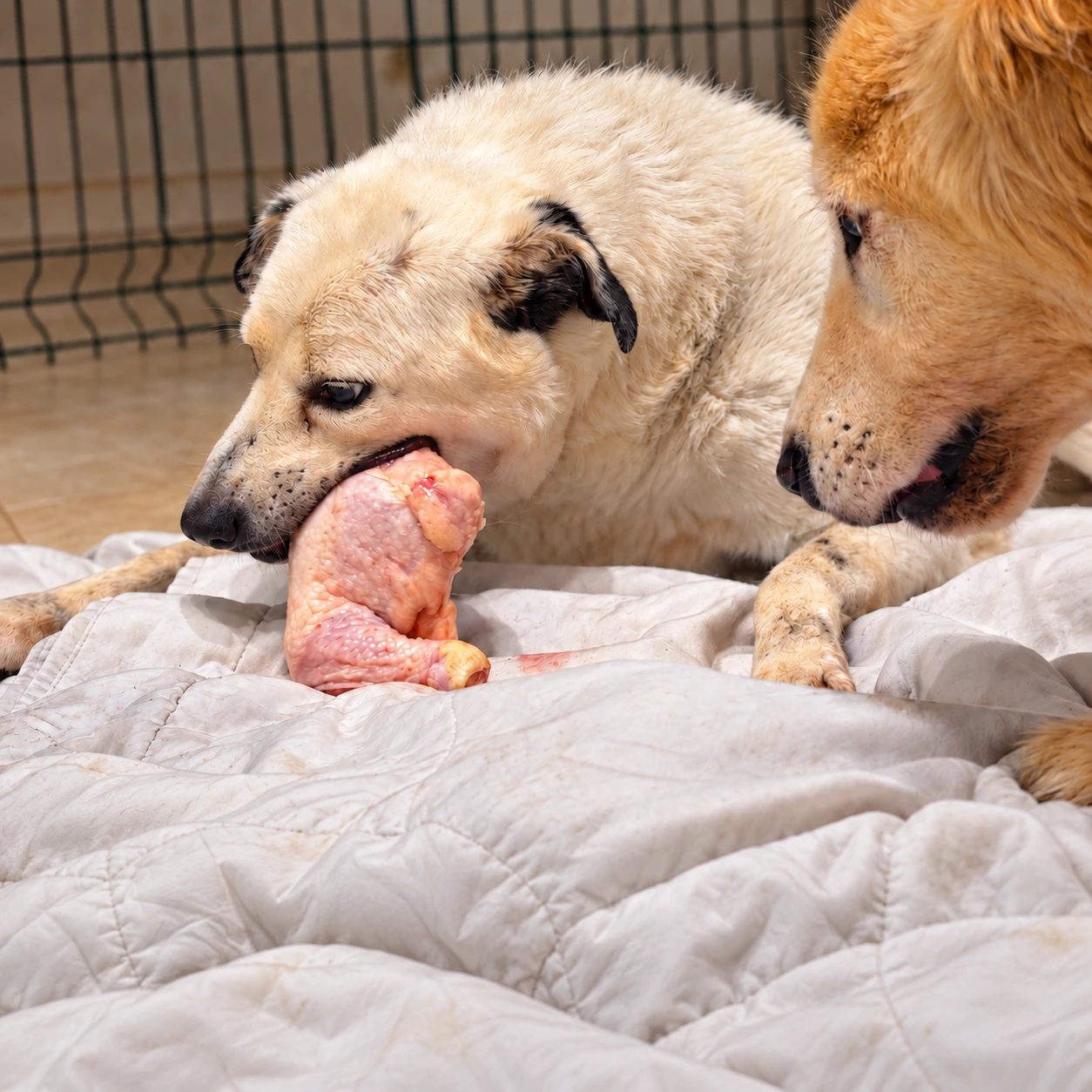
Lonsdale argues that food should give the mouth work to do. In his model, tearing flesh and working through suitable raw meaty bones are integral to feeding, rather than optional activities after a meal.
He presents whole prey as the biological reference and meat-covered raw bones as a practical approximation. This is why his approach is distinct from simply feeding raw mince, boneless meat or a bowl labelled “natural”.
The food
Animal tissues considered as a varied diet, rather than isolated ingredients.
The act of eating
Holding, tearing and chewing: the physical form of a meal matters in this model.
The whole animal
Oral health, body condition, behaviour and clinical care considered together.
THE FOOD AND ITS FORM
What is a
raw meaty bone?
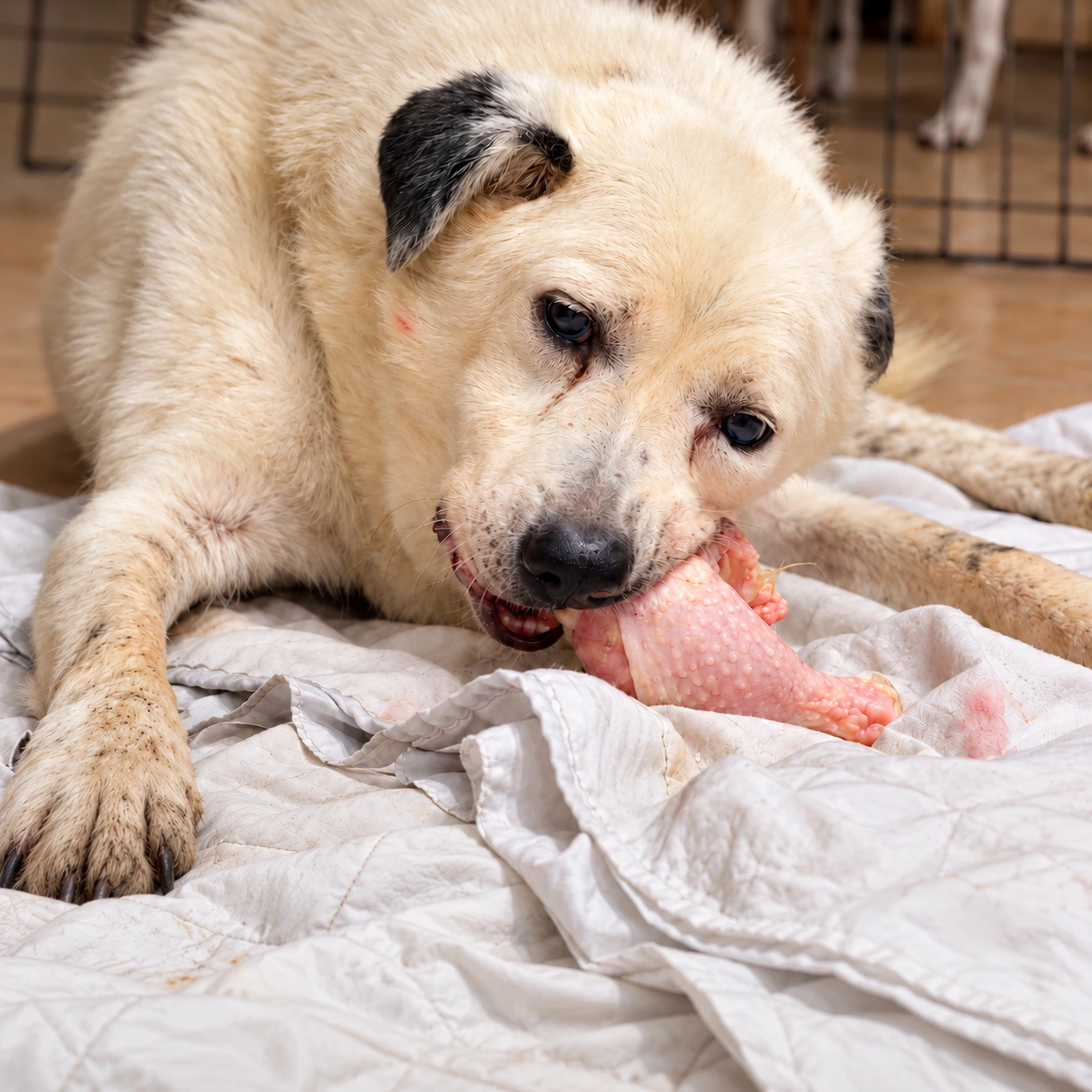
In Lonsdale’s approach, the phrase means a raw bone with substantial meat attached, offered as food. It does not mean a bare, hard bone given simply to occupy a dog.
The distinction matters. His writing discourages hard weight-bearing bones and bones cut lengthwise, which can damage teeth. Small pieces that an animal may swallow whole present a different hazard. “Raw” does not make every bone suitable or safe.
Size, hardness, teeth, swallowing behaviour and the individual animal all affect the decision. Supervision helps us observe a meal, but cannot remove the risk of injury.
Further reading: Lonsdale’s “Raw meaty bones essentials” (2018, PDF).
THE MOUTH MATTERS
Chewing.
Teeth.
The bigger picture
A mechanical action
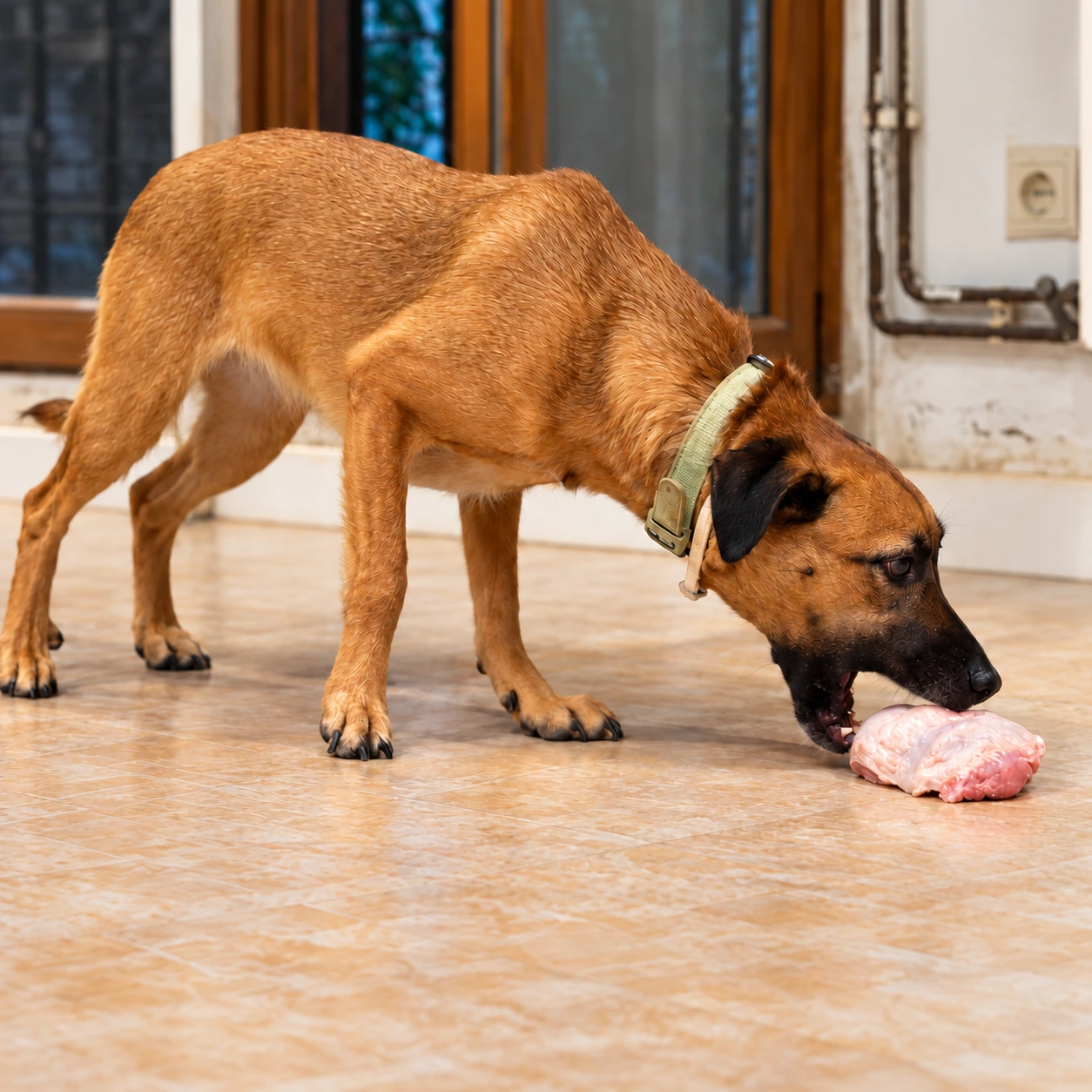
Chewing can act on deposits on the teeth. A 2016 study in Beagles reported reduced dental calculus after chewing raw beef bones. That is a specific finding about calculus, not proof that bones prevent all dental disease or are safe for every dog.
Clean-looking crowns do not tell us everything about the tissues below the gumline. Mouth examinations and treatment of painful or diseased teeth remain part of veterinary care.
Lonsdale’s wider hypothesis
Lonsdale proposes that diet, periodontal disease and the rest of the body can interact in a self-reinforcing cycle. He developed this idea as a “cybernetic” hypothesis: feedback between connected biological systems, rather than a problem confined to the teeth.
It is a central part of his work and should be read as a hypothesis. It does not establish that raw feeding cures unrelated illnesses or replaces medical treatment.
Lonsdale’s periodontal hypothesis ↗
Marx and colleagues, Australian Veterinary Journal, 2016 ↗
03 / EVERYDAY CARE
The attention
behind every meal
A feeding philosophy becomes meaningful through the decisions made for each animal.
Consider the whole diet
Meat alone is not a complete diet. Organs and bone contribute different nutrients, and both too little and too much can be a problem. Variety is useful, but it is not a nutritional assessment. Growth, pregnancy and illness change what an animal needs.
Match the animal
Age, activity, body condition, dental health and how an animal eats all matter. A vulnerable rescue needs an individual plan. Introducing food or changing texture should be considered alongside its clinical condition.
Handle food carefully
Raw food can carry pathogens, including Salmonella and Listeria. Keep it separate from human food, thaw it in the refrigerator and clean hands, utensils and surfaces after handling it. Freezing does not reliably sterilise raw food.
Observe and reassess
We pay attention to appetite, comfort while eating, weight, body condition and digestion. A change deserves attention. Our observations guide questions and care; they are not a substitute for examining an animal that is unwell.
Practical references: Lonsdale’s introductory diet guide (PDF) and FDA guidance on raw pet food and hygiene.
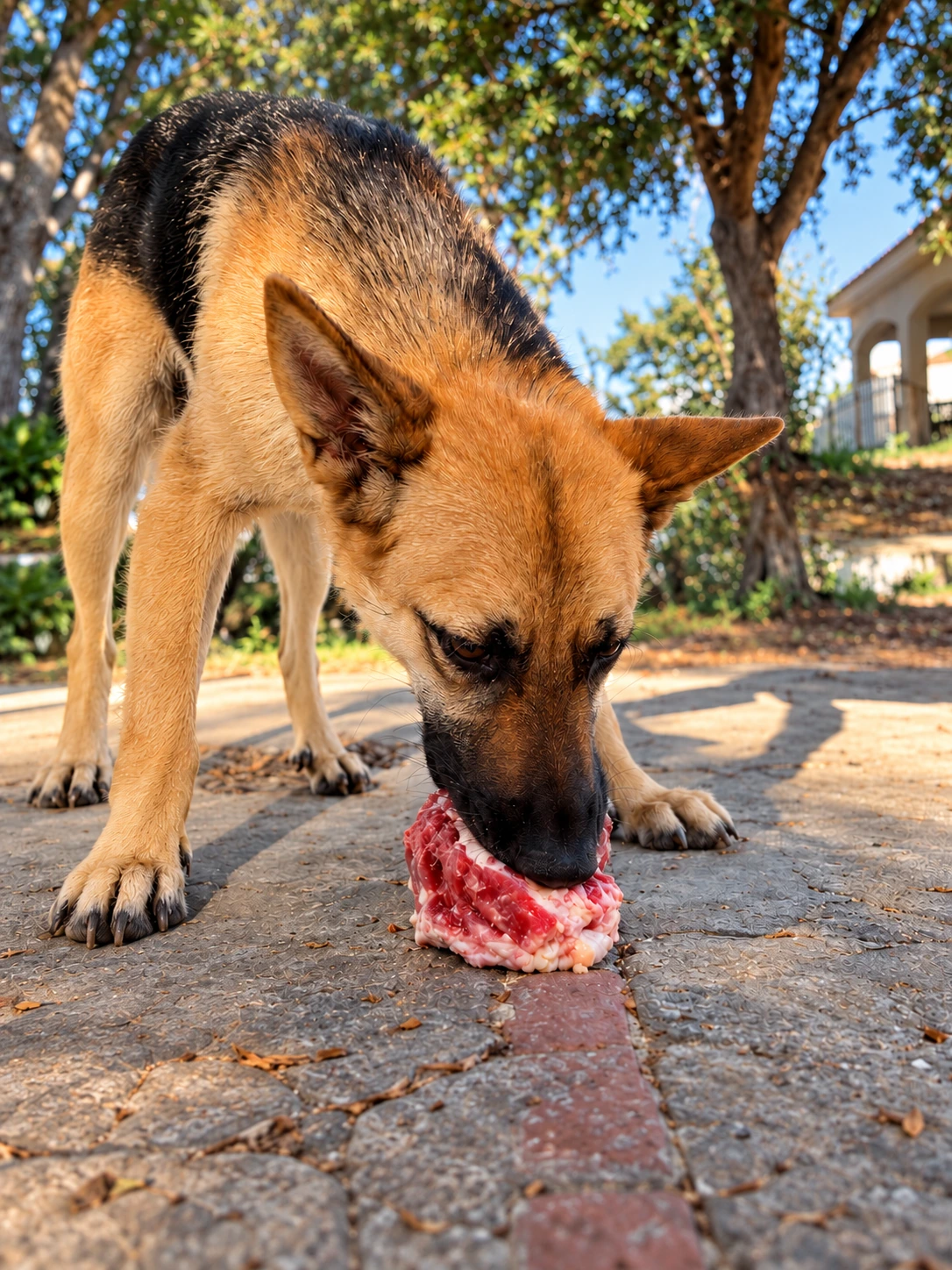
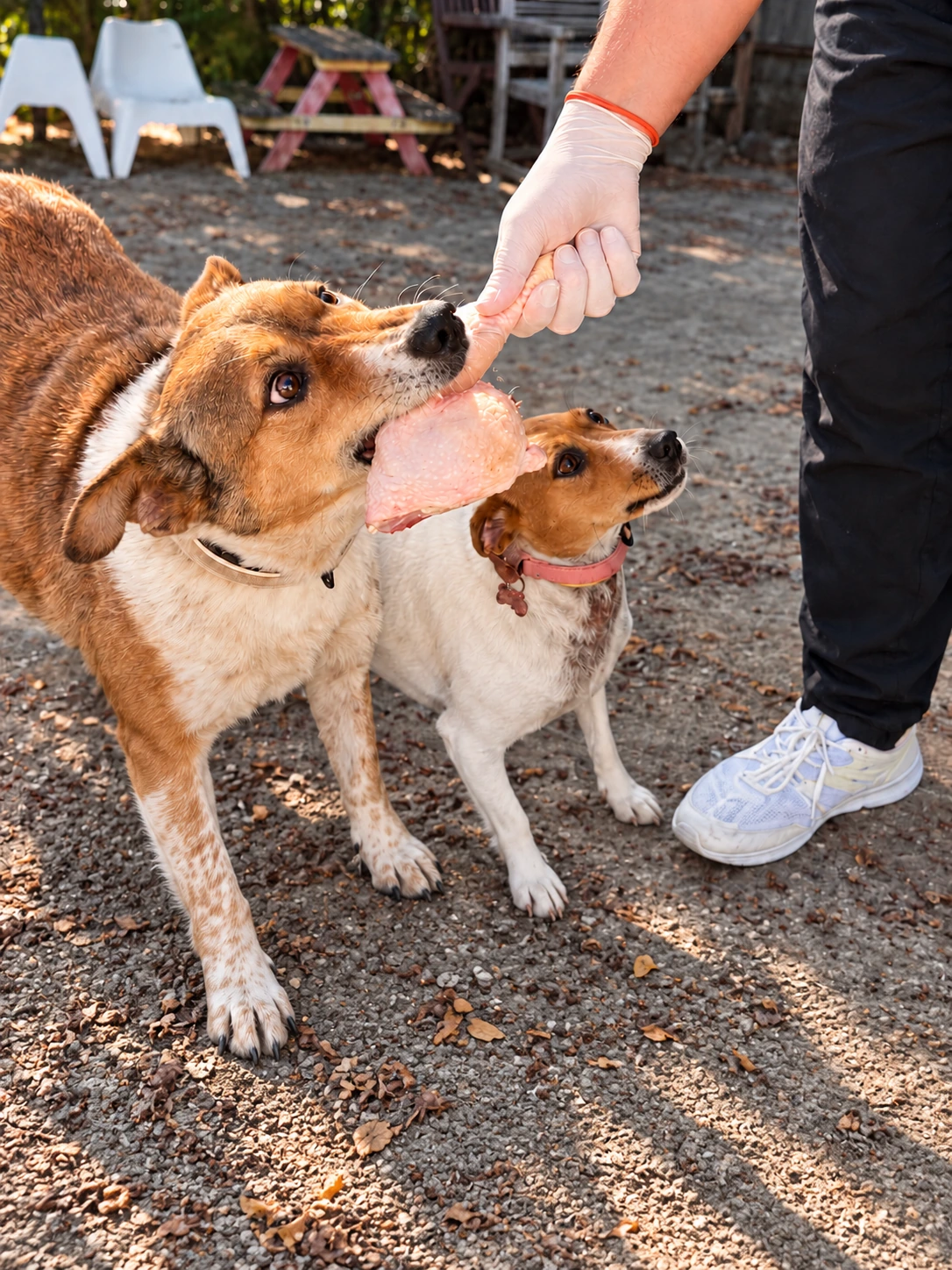
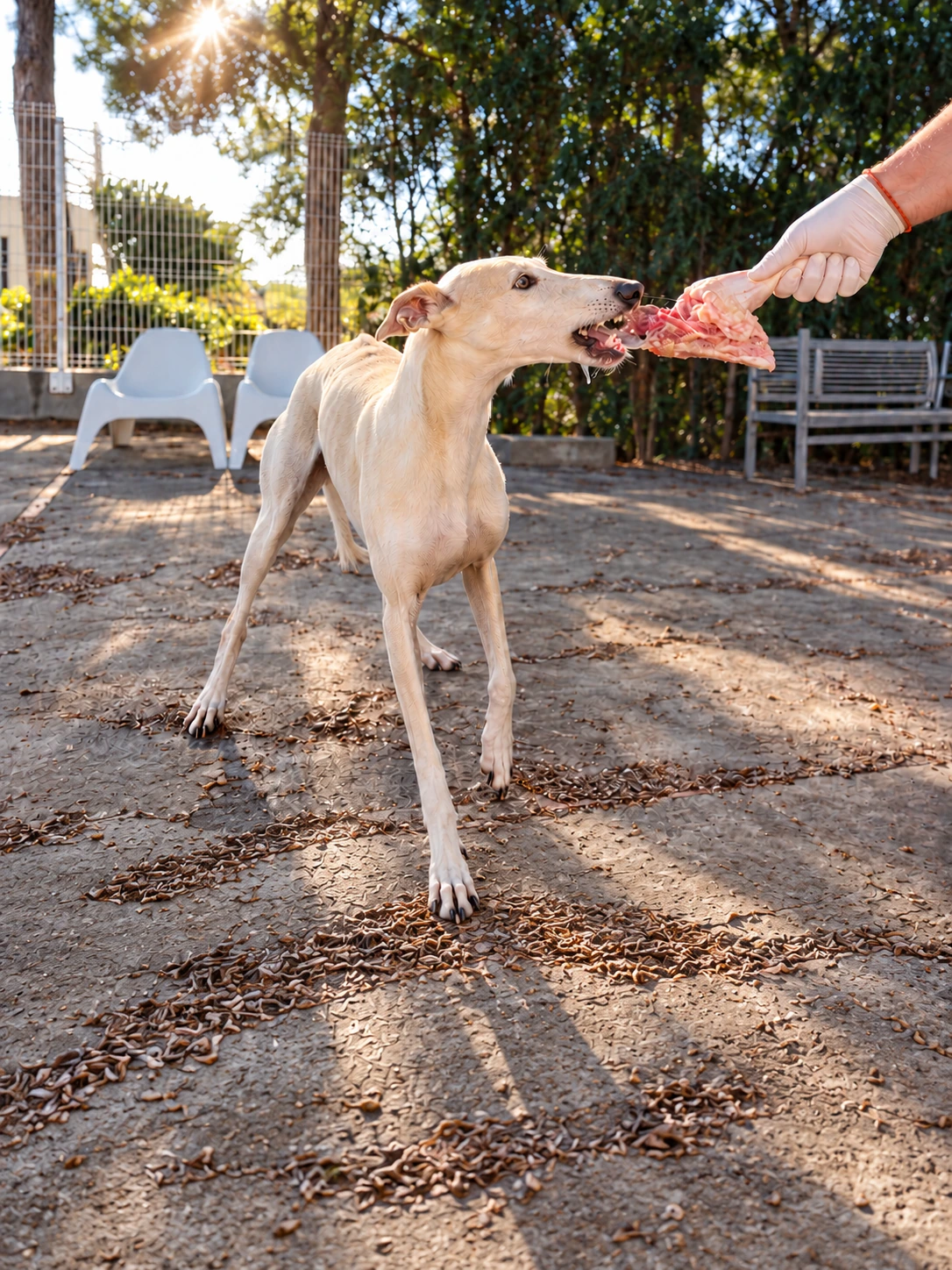
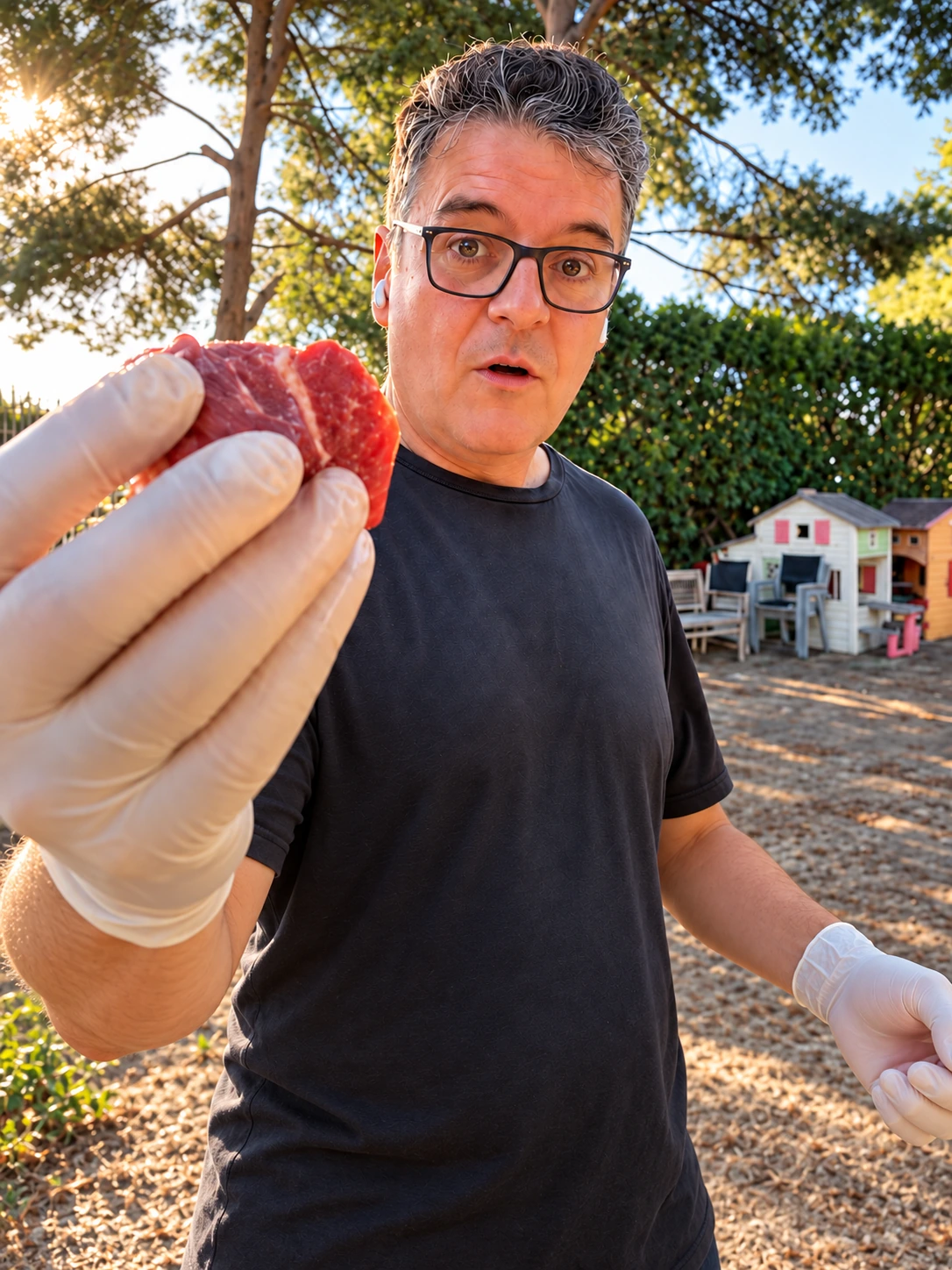
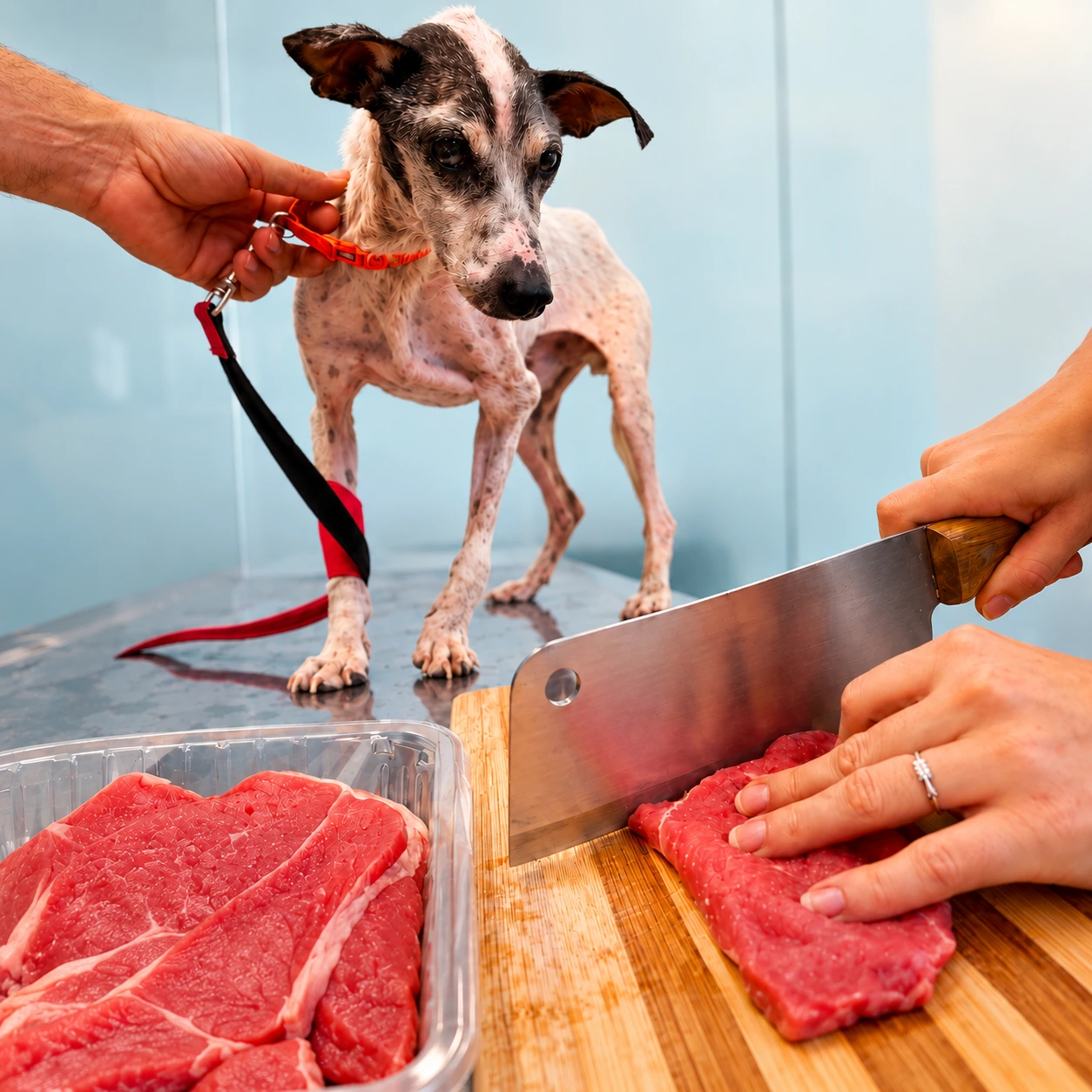
Moments from daily feeding at Let’s Adopt.
CARE STARTS WITH THE INDIVIDUAL
One approach.
Different needs
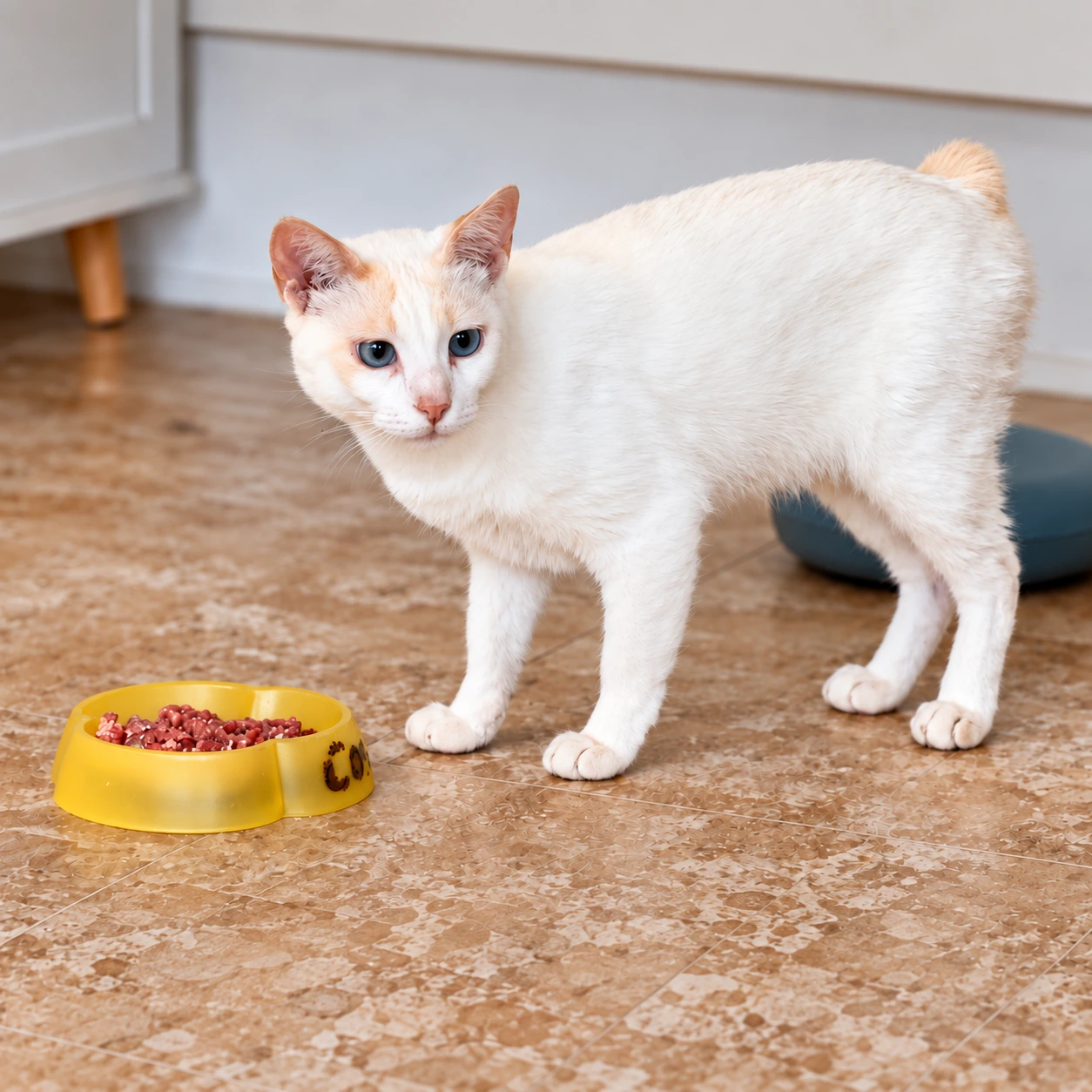
Cats are not small dogs
Cats need their own nutritional assessment. Lonsdale’s cat guidance also addresses familiarity and texture: an animal accustomed to one food may need patience when introduced to another. Mouth pain should be investigated, rather than mistaken for fussiness.
Read Lonsdale’s guidance for cats ↗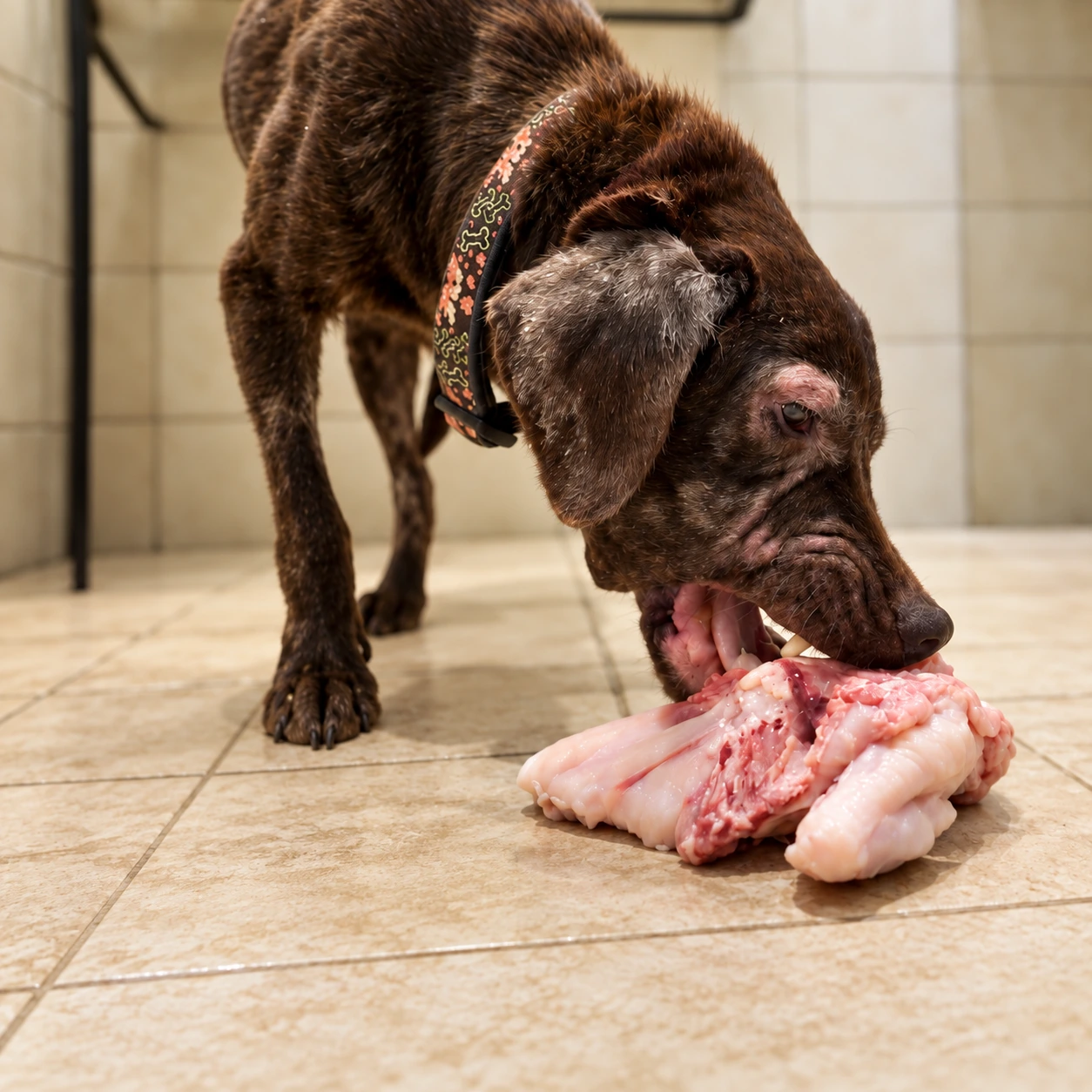
Rescue changes the starting point
An underweight or seriously ill animal needs assessment before a feeding plan is chosen. Its immediate priorities may include stabilisation, pain relief and medical treatment. Feeding decisions must fit those priorities and be reviewed as the animal recovers.
Meet the individuals behind our work in the Animal Atlas, or follow their progress in our rescue updates.
QUESTIONS WORTH ASKING
Look beyond
the label
Lonsdale’s campaign asks who shapes advice about pet food, how commercial relationships influence veterinary education, and whether marketing can obscure basic questions about feeding.
His criticism also extends to commercial raw feeding when it departs from the physical form of food he advocates. In his view, changing the label or selling a raw recipe does not necessarily preserve the raw meaty bones model.
His books set out his criticism of the industry and veterinary profession. Readers can examine the original arguments and documents through his campaign archive.
Explore the campaign’s claims audit ↗04 / GO TO THE SOURCE
Read the work.
Understand the argument
Explore the books and archives behind this approach. These external sources open in a new tab so you can return to our animals and their stories.
Raw Meaty Bones
Promote Health. The foundational book bringing together the feeding argument, oral health and Lonsdale’s critique of the pet food system.
Work Wonders
Feed Your Dog Raw Meaty Bones. A shorter practical introduction to his approach to feeding dogs.
Multi-Billion-Dollar Pet Food Fraud
Lonsdale’s later account of his campaign and his allegations about the relationships between industry, the veterinary profession and pet owners.
Spin Doctors
Junk Pet Food Partners in Crime. A collection of campaign newsletters from 2001–2011, documenting the development of his advocacy.
FURTHER QUESTIONS
Before changing
a diet
Understanding an approach includes understanding its limits.
Is any raw diet automatically complete?
No. “Raw” describes processing, not nutritional adequacy. Boneless meat alone, too much liver or inappropriate bone quantities can create problems. The complete diet needs to meet the individual animal’s requirements. Lonsdale’s own introductory guide warns against feeding meat alone.
Why does Let’s Adopt not use supplements?
We choose to provide nutrients through the foods in our diet. We do not add supplements. This describes our practice; it is not a universal recipe. Whether another diet needs supplementation depends on its formulation and the individual animal’s requirements.
Are raw bones safe because they are uncooked?
No. We do not feed cooked bones, but raw bones can also cause broken teeth, choking or gastrointestinal injury and obstruction. Suitable selection and supervision cannot make that risk zero. Existing dental disease and swallowing behaviour deserve particular attention.
How much should an animal eat?
There is no single portion that fits every animal. Energy needs, body condition, age and health matter more than applying an internet percentage without review. This page explains a philosophy; it is not an individual feeding prescription.
Does the evidence prove raw feeding is best for every pet?
No. Lonsdale makes a strong case for his model, but the veterinary profession does not share a universal conclusion that raw diets are superior. Reported experience, mechanistic arguments and research findings are different kinds of evidence. Nutritional imbalance, pathogens and bone injuries remain relevant concerns.
Read the BSAVA position on companion animal nutrition ↗Can I switch a sick animal straight away?
An animal with illness, marked weight loss, dental pain or difficulty swallowing needs veterinary assessment. Do not copy a feeding change or fasting schedule from general guidance without considering the individual case. A rescue’s immediate medical needs come first.
CARE CONTINUES EVERY DAY
Help care for
our rescued animals
Food is one part of a lasting commitment, alongside medicine, shelter and the people who care for them.
Sponsor an animal →Make a donation